

Why Your Smart Home Gadgets Refuse to Talk to Each Other
- spideydavid
- Apr 25
- 3 min read
Imagine buying a smart thermostat from Brand A, a security camera from Brand B, and smart locks from Brand C. You expect these devices to work together, making your life easier. Instead, you end up juggling multiple apps, troubleshooting connection drops, and feeling more like an IT technician than a homeowner. This is the reality for many people who have tried to build a smart home by piecing together different gadgets. The promise of convenience turns into frustration.
The problem is simple: these devices do not speak the same language. Each brand uses its own protocols and apps, creating a digital Tower of Babel. The homeowner becomes the exhausted translator, trying to coordinate a simple nighttime routine across incompatible systems. This is where a unified smart home system makes all the difference.
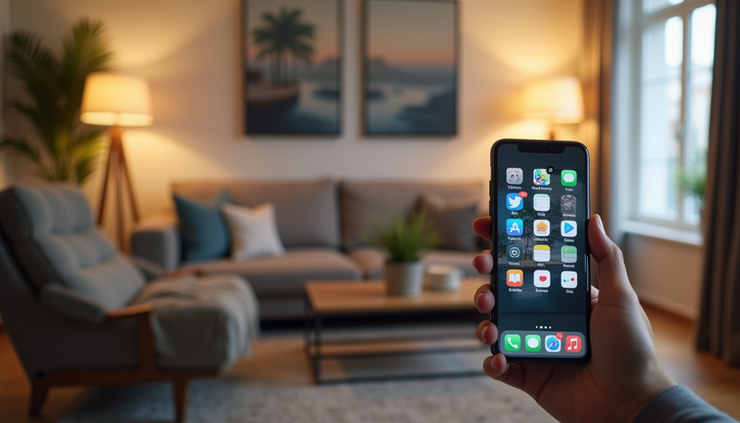
Multiple smart home devices controlled by separate apps create confusion and frustration.
The Problem with Fragmented Smart Home Devices
When you buy smart devices from different brands, each one comes with its own app and ecosystem. This means:
You need to download and manage several apps.
Devices often fail to communicate with each other.
Automated routines become complicated or impossible.
Troubleshooting connectivity issues takes up your time.
The intended convenience turns into ongoing stress.
For example, you might want your security camera to trigger your smart lights when it detects motion. But if these devices don’t share a common platform, you have to manually switch between apps or accept that the automation won’t work.
This fragmented approach wastes your time and energy. Instead of relaxing in your home, you spend time fixing tech problems. This is not what smart homes should feel like.
How Zillvek Builders Solves the Puzzle
Zillvek Builders understands this frustration. They don’t just install smart devices; they design a smart home infrastructure from the ground up. By managing both the design and technology simultaneously, they create a unified smart home system that works as a single, centralized nervous system.
This means:
All devices are chosen and installed to work seamlessly together.
The home’s technology is integrated into the blueprint phase.
Automated home integration is smooth and reliable.
Homeowners control everything through one app or interface.
The system is designed to minimize troubleshooting and maximize convenience.
With Zillvek Builders, your home acts as one organism. Your smart thermostat, security cameras, locks, lighting, and more all communicate naturally. You don’t have to be the translator anymore.

Unified smart home system interface simplifies control and automation.
Benefits of a Unified Smart Home System
Choosing a unified smart home system offers clear advantages:
Simplicity: One app controls everything. No more switching between multiple apps.
Reliability: Devices communicate directly, reducing connection drops.
Time-saving: Automated routines run smoothly without manual intervention.
Peace of mind: Security and comfort features work together seamlessly.
Future-proof: The infrastructure supports upgrades without chaos.
For instance, a homeowner can set a single “Goodnight” routine that locks doors, adjusts the thermostat, turns off lights, and arms the security system. This routine works every night without glitches or extra effort.
What Automated Home Integration Looks Like in Practice
Automated home integration means your devices work together to support your lifestyle. Here are some practical examples:
Morning routine: Your blinds open, coffee maker starts, and thermostat adjusts to your preferred temperature as your alarm goes off.
Away mode: When you leave, the system locks doors, turns off unnecessary lights, and activates security cameras.
Energy savings: Lights and heating adjust automatically based on occupancy and time of day.
Emergency response: Smoke detectors trigger lights and unlock doors for safe exit.
These examples show how a seamless smart tech setup improves daily life without adding complexity.
Why Managing Design and Tech Together Matters
Most smart homes fail because technology is an afterthought. Devices are added piecemeal, creating compatibility issues. Zillvek Builders avoids this by integrating technology into the home’s design from the start.
This approach means:
Wiring and network infrastructure support all devices efficiently.
Devices are placed for optimal performance and coverage.
The system is scalable for future tech additions.
Homeowners get a clear, easy-to-use control system.
This holistic view prevents the common headaches of smart home ownership.
Take Back Your Time and Peace of Mind
If you are tired of juggling apps, fixing connection problems, and feeling overwhelmed by your smart home gadgets, it’s time to rethink your approach. A unified smart home system designed by Zillvek Builders offers a clear path out of the chaos.
By choosing a builder who manages both design and technology, you get a home where devices talk to each other naturally. You reclaim your time and enjoy the convenience smart homes promised from the start.
If you want a smart home that works for you, not the other way around, consider a unified approach. Your home should be a place of rest, not a tech support center.


Comments