

Why Your "Spacious" Home Still Feels Crowded
- David
- Apr 30
- 3 min read
You bought a house with a large floor area expecting plenty of room for your family. Yet, somehow, it still feels cramped and cluttered. Bags pile up near the entrance, cleaning supplies scatter in random corners, and kitchen counters are crowded with small appliances. Closets overflow even though the rooms seem big enough. What’s going on? The problem is not the square footage itself but how storage is handled—or rather, how it is often overlooked.

The Storage Problem in Traditional Home Design
Many traditional homes focus on selling space. They advertise large rooms and open floor plans but fail to plan where daily life actually happens. This leads to a common scenario:
Entryways become dumping grounds for bags, shoes, and coats because there is no designated storage zone.
Cleaning supplies end up in random spots because closets or utility rooms are either too small or poorly located.
Kitchen counters fill up with appliances that have no proper home, reducing workspace and creating visual clutter.
Closets overflow because they were designed for empty rooms, not for real belongings that accumulate over time.
This is the storage lie: having more square footage does not automatically mean your home will feel comfortable or organized.
Why Storage Should Be Part of the Architecture
Storage is often treated as an afterthought, something to fix with furniture or baskets after the house is built. This approach creates frustration because it forces you to work around the space instead of having the space work for you.
A comfortable home requires intentional storage zones built directly into the design. When storage is part of the architecture, it becomes invisible yet functional. You don’t have to think about where things go because everything has a place from day one.
How Thoughtful Storage Changes Your Home Experience
When storage is integrated into the design, your home feels larger and more welcoming. Here are some ways intentional storage zones improve your living space:
Entryway storage zones with built-in cubbies or closets keep bags, shoes, and coats neatly organized and out of sight.
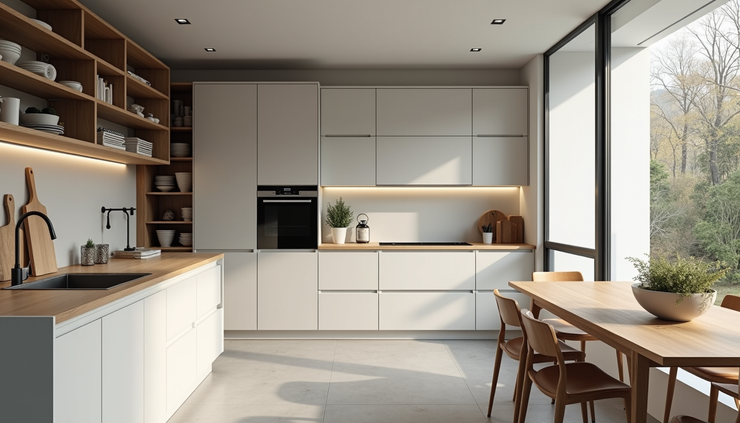
Kitchen layouts that include hidden appliance garages or pull-out shelves free up counter space and make cooking easier.
Closet systems designed for your family’s belongings prevent overflow and make it simple to find what you need.
Utility rooms with designated spots for cleaning supplies and laundry essentials keep chores less stressful.
These solutions reduce clutter and make daily routines smoother, so your home feels calm instead of chaotic.
How Zillvek Builders Solve the Storage Challenge
Zillvek Builders understands that storage is not a last-minute furniture problem but a core part of home design. They create customized layouts that include:
Built-in storage solutions tailored to your family’s lifestyle and belongings.
Modern kitchen planning that incorporates smart storage for appliances and utensils.
Clean, integrated designs that keep your home looking neat and easy to maintain.
By planning storage from the start, Zillvek Builders help families move into homes where everything has a place. This reduces stress and keeps your living space feeling open and comfortable.
Practical Tips for Planning Storage in Your Home
If you are planning a new home or remodeling, consider these practical tips to avoid the storage trap:
Map out your daily routines and identify where clutter tends to build up.
Designate storage zones near entryways, kitchens, and utility areas.
Choose built-in storage options over standalone furniture when possible.
Think vertically by using tall cabinets and shelves to maximize space.
Plan closets with adjustable shelving to accommodate changing needs.
These steps help you create a home that works for your family, not against you.


Comments